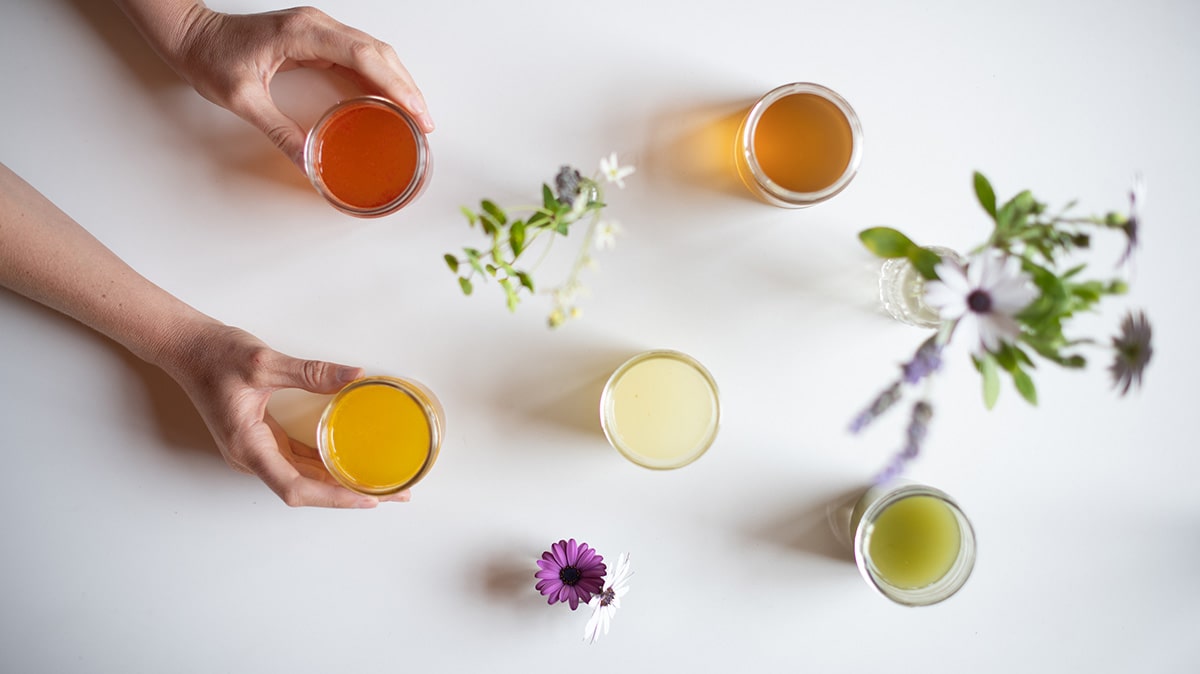
You may have heard the term adaptogens thrown around recently, but if you’re like most people, you might still be unsure of what they are and why on earth you should care. If you are curious or wondering what are adaptogens? Well, adaptogens are a group of plants such as roots, leaves, berries, and mushrooms that have the incredible ability to help our bodies better deal with stress, whether from internal or external factors.
They seem to be having a real moment right now—and no wonder! Not only are there some great companies out there making adaptogens more accessible, available, and intriguing (thanks to both clever marketing, packaging, and a lot of educating their customer)—we’re also starting to wake up to the fact that we have the ability and power to boost our own well-being, strengthen our immune system, and take good care of ourselves. There is a lot we can do through food, ritual, movement, and habits that can help our bodies handle the demanding world we live in, and adaptogens can be one powerful piece of that. This article will not only give you a helpful list of adaptogens, we will also tackle all the adaptogen benefits you’ll surely enjoy should you opt to give these healing herbs a try.
What Are Adaptogens?
So, let’s get into it. What are these plants, and where did they come from all of the sudden? Firstly, there’s nothing new about them. They have been around, and utilized medicinally, for centuries. Some have roots in Traditional Chinese Medicine, Ayurvedic medicine, Native American medicine, or amongst other indigenous populations. Adaptogenic herbs have been tried and tested through time, and today we have access to these plants anywhere in the world. The actual term adaptogen is, however, more recent. It was coined by Russian scientists who, during World War II, were looking for substances to help their soldiers through incredibly stressful and trying times. They looked to indigenous populations and discovered some
plants (like Rhodiola rosea) had this unique ability to help the body adapt to stress and increase stamina and focus. They named these plants adaptogens; and the definition included that in order to be considered an adaptogen, a plant had to be safe and increase the body’s resistance to stress. Adaptogens work by modulating the release of stress hormones from the adrenal glands.
One of the benefits of adaptogens is their ability to help your body bounce back when you’re feeling run down and exhausted. When you’re feeling anxious, restless, and unsettled, adaptogens can help your body’s nervous system calm down so that you can chill out. Adaptogens are roots, leaves, berries, beans, or mushrooms and can be found in supplement form as a powder, as tinctures, in capsules, or as dried herbal teas. Most of them work best when taken consistently over a period of time, yet you may still be able to feel some instant calming or uplifting benefits just from one dose. When purchasing adaptogens, look for organic and wildcrafted herbs to make sure they haven’t been sprayed with pesticides. You also want to buy from a company that is transparent about their sourcing, sustainability, and quality control to ensure you’re getting the best quality adaptogen product, both for your body and the earth.
Stressful Environments
Most of the time, people use adaptogens for stress relief. Interestingly, most adaptogens grow in harsh, difficult climates and environments, so they themselves have had to learn to adapt to stressors in order to survive. Some of these plants grow high in the Himalayan mountains or in the Andes. Some are found far north in the cold Siberian forests. The great thing is that by ingesting them we can reap some of those very same benefits! Today adaptogens are getting a lot of buzz in the health and wellness world, and the timing is quite interesting. As our lives are getting increasingly more driven by technological advances and with the expectation of us always being available, both in our work or private life, maybe it’s no wonder that there’s a need for some stress-helpers that connect us to Mother Earth,

Free Enlightened Living Course: Take Your Happiness, Health, Prosperity & Consciousness to the Next Level
Discover powerful insights and techniques for creating radiant health, happiness, prosperity, peace and flow in your life and relationships.

as well as encourage some small meaningful rituals of self-care on the daily. The simple act of making a cup of tea, baking a healthy treat, or simply sprinkling some adaptogens in your morning coffee feels both manageable yet meaningful.
Another aspect that may contribute to adaptogens having a moment right now is the focus on more preventative care. We now know that the majority of health challenges and illness are caused, in part or entirely, by lifestyle factors—that is, the food we eat, the toxins we’re exposed to, exercise or lack thereof, and stress! Using herbal adaptogens can be one of many
preventative ways to decrease stress levels and improve our overall health and well-being. While they’re not the be all end all answer (sadly it’s not magic) they can be part of tools in our box to help us better navigate and handle modern life.
Adaptogenic Trends
Adaptogens will not only help you adapt to stress, they also adapt to your body and what it needs, they also adapt to your body and what it needs, helping it find its way back to homeostasis (aka it’s happy place!) Adaptogens are dual directional and support our bodies’ natural defense systems against stress. And that stress can come in many forms; internally from inflammation, infections, anxiety or emotional stress, or from external factors, whether that’s your smart phone’s notifications, a screaming boss, deadlines, pollution or noisy, busy city life! They also work on the immune system and can help it calm down when it’s over active (which is the case in autoimmune conditions and with allergies) and boost it when it’s underactive and we feel like we’re catching every cold and flu that goes around. Instead of taking remedies once you’re already sick, avoiding getting sick altogether is certainly a better approach.
Another trend that is co-existing with the increased interest in adaptogens for stress is the focus on
biohacking, brain health, and performance boosting, both physically and mentally. Adaptogens and their benefits fit well in this framework too, as many of these adaptogenic plants and herbs have the ability to increase mental and physical stamina, boost athletic performance and recovery, and support better focus and memory. With an increasing interest and focus on wellness in our culture today, comes an interest in a wider range of remedies, modalities, and practices. While Traditional Chinese Medicine practitioners, acupuncturists, herbalists, and Ayurvedic practitioners have utilized these adaptogenic herbs for thousands of years, they are now becoming more accessible and mainstream. More people are turning to these kinds of practitioners for guidance and treatments—many times because they haven’t been able to get the help they needed from their traditional doctor. Often, which was the case for me, people are introduced to these herbs for the first time in the setting of a practitioner’s office.
8 Need-to-Know Adaptogens
While adaptogens have some overlapping benefits, such as their stress-busting abilities and immune support, they each also have their own unique spirit and personality. This just means it might take a few tries to find your perfect match(es). An adaptogen that does wonders for your best friend might not be the best fit for you. Check out the adaptogens list below for a better idea of what you may need.
1. Ashitaba: The Rejuvenator
Native to Japan, this green plant is a real beauty food with anti-aging benefits. Ashitaba is an incredibly resilient and regenerating plant—after you pick its leaves, it will grow back a new leaf in just 24 hours! And we can also benefit from its rejuvenating super powers when ingesting it. Ashitaba can help with wound healing, improve digestion, and help with memory, focus, and concentration. It’s a great plant source of vitamins B6 and B12, making it a very good choice for anyone on a plant-based diet; but, in general, these are key nutrients for energy and well-being for all of us. It contains a compound that helps stimulate nerve-growth hormone production, something that is key for longevity. This adaptogen can be ingested easily in a powder form and has a beautiful green color. It’s a great addition to a matcha latte or a green smoothie and may even give your skin an extra glow!
Conscious Lifestyle Recommends:
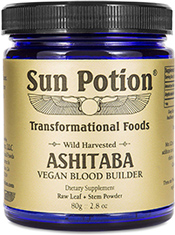 Sun Potion Wild Harvested Ashitaba Powder
Sun Potion offers an ultra-high quality, sustainably wild harvested 4:1 extract of Ashitaba leaf and stem from pristine regions in Taiwan. With a mild, tealike taste and fine powder grind, Sun Potion’s Ashitaba is similar to matcha with exponentially greater health-boosting effects. This green adaptogen is packaged in a cobalt blue glass jar for maximum freshness and potency.
Sun Potion Wild Harvested Ashitaba Powder
Sun Potion offers an ultra-high quality, sustainably wild harvested 4:1 extract of Ashitaba leaf and stem from pristine regions in Taiwan. With a mild, tealike taste and fine powder grind, Sun Potion’s Ashitaba is similar to matcha with exponentially greater health-boosting effects. This green adaptogen is packaged in a cobalt blue glass jar for maximum freshness and potency.
2. Ashwagandha: The Stress Buster
This stress-busting root has been utilized in Ayurvedic medicine for centuries. Its botanical name,
somnifera, means restful sleep, and it’s also believed to give horse-like vigor to those who use it regularly.
Ashwagandha is a go-to adaptogen for anyone looking to get a handle on stress, increase their energy while also improving sleep and calming their nervous system. Ashwagandha is the only adaptogen that’s been found to have a stimulating effect on the thyroid, something worth noting when more and more people, women in particular, are dealing with an underactive thyroid. It’s also been given to lactating mothers to increase milk production and likely also to help deal with the big change of having a new baby. Ashwagandha is one of the best adaptogens for anxiety and stress. Its calming effect can help people dealing with anxiety feel some relief, and people who take it regularly often note a significant decrease in stress. As one of the best adaptogens for stress, ashwagandha has the ability to decrease the secretion of cortisol and is overall soothing to the adrenal glands, making it a good fit for someone overcoming adrenal fatigue or burnout. This herbal adaptogen has a bitter taste, so it’s best taken in a capsule or tincture, or mixed with something with a stronger flavor, such as chocolate!
Conscious Lifestyle Recommends:
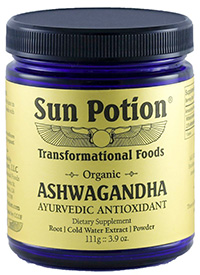 Sun Potion Organic Ashwagandha Root Powder
Sun Potion offers a delicious and ultra-high-quality organic, vegan, GMO-free Ashwagandha root powder sourced from small organic farms in Northern India. It is cold-water extracted, allowing for maximum potency and preservation of the heat-sensitive medicinal compounds in the plant.
Sun Potion Organic Ashwagandha Root Powder
Sun Potion offers a delicious and ultra-high-quality organic, vegan, GMO-free Ashwagandha root powder sourced from small organic farms in Northern India. It is cold-water extracted, allowing for maximum potency and preservation of the heat-sensitive medicinal compounds in the plant.
3. Astragalus: The Immune Booster
Astragalus is a yellow root that has traditionally been used in Chinese Medicine for thousands of years and still is many practitioner’s absolute favorite go-to adaptogen. With both anti-bacterial and anti-viral properties, it’s a go-to adaptogen during the cold and flu season or for anyone looking to boost their immune-regulating T-cells, including someone recovering from illness. It’s also beneficial for both the nervous and the digestive system. Astragalus has been found to have the ability to stimulate the enzyme telomerase, which helps repair damaged DNA in the body. This is what makes astragalus a great anti-aging and vitality supporting herb! While traditionally astragalus root was found in China, most astragalus on the market today has been cultivated. While astragalus is great for preventing illness, once you have a fever, stop taking it as it’s known to make a fever last longer.
Conscious Lifestyle Recommends:
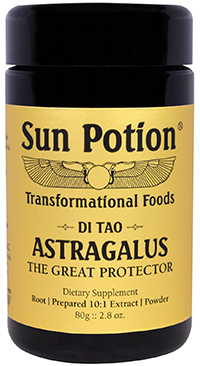 Sun Potion Organic Di Tao Astragalus Powder
Sun Potion offers a high-potency, 10:1 cold water extract of Astragalus root, sourced at high elevations in the ‘Di Tao’ native growing regions of China. Sun Potion’s extract of this well-known adaptogenic herb is ethically and sustainably wildcrafted, which means it is grown in the wild, in its native habitat, for maximum strength, potency, qi-boosting effects, and freshness.
Sun Potion Organic Di Tao Astragalus Powder
Sun Potion offers a high-potency, 10:1 cold water extract of Astragalus root, sourced at high elevations in the ‘Di Tao’ native growing regions of China. Sun Potion’s extract of this well-known adaptogenic herb is ethically and sustainably wildcrafted, which means it is grown in the wild, in its native habitat, for maximum strength, potency, qi-boosting effects, and freshness.
4. Eleuthero: The Stamina Builder
Also referred to as Siberian Ginseng, eleuthero is a powerful herb that’s been used in Chinese Medicine to help people recover from low energy, to invigorate, and to support sexual function. This root was the first plant to have been classified as an adaptogen! Today, this adaptogen is often used to increase the stamina and performance of athletes and can improve mental alertness too. It’s generally recommended to take this adaptogen periodically, not all the time, and is usually not recommended for those with high blood pressure.
Conscious Lifestyle Recommends:
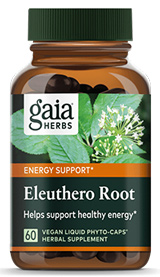 Gaia Herbs Wildcrafted Eleuthero Root Capsules
Gaia Herbs offers a wildcrafted, full spectrum CO2 liquid phyto-extract of Eleuthero root grown on pristine land in North Carolina. With 3,350mg of dry herb equivalent per capsule, Gaia’s Eleuthero extract, packs an energy and health-boosting punch you can feel from the first dose.
Gaia Herbs Wildcrafted Eleuthero Root Capsules
Gaia Herbs offers a wildcrafted, full spectrum CO2 liquid phyto-extract of Eleuthero root grown on pristine land in North Carolina. With 3,350mg of dry herb equivalent per capsule, Gaia’s Eleuthero extract, packs an energy and health-boosting punch you can feel from the first dose.
5. Maca: The Hormone Helper
This starchy tuber from the Andes Mountains in South America is an incredibly stubborn root that can thrive in the most challenging environments. Traditionally, in Peru, maca was eaten as a food, but today it’s usually found in a powder form that can easily be added to smoothies and elixirs. Maca is an aphrodisiac and has been shown in several studies to have a positive effect on libido. It’s a well-known hormone supporter and can potentially
help boost fertility and sperm count. It has a sweet taste reminiscent of butterscotch and can add a nice flavor to healthy treats and smoothies, pairing particularly well with cacao or vanilla. Maca, one of the most popular adaptogenic herbs, belongs to the cruciferous vegetable family and contains high levels of glucosinolates, so treat this superfood as you would any other brassicaceae/cruciferae veggie. If you’re buying it as a powder supplement, look for gelatinized maca powder, which is not raw (it’s not actually gelatinous).
Conscious Lifestyle Recommends:
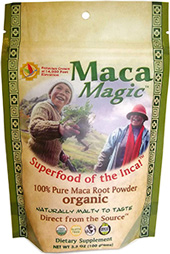 Maca Magic Organic Maca Powder
Maca Magic is organically grown at the genetic origin of the plant in Peru’s Magic Valley, located on the Jumin plateau at 14,000 feet elevation, high in the Andes mountains. This pristine region grows superior adaptogenic herbs and has been home to many lineages of Inca and earlier Peruvian cultures carefully tending the land for many thousands of years.
Maca Magic Organic Maca Powder
Maca Magic is organically grown at the genetic origin of the plant in Peru’s Magic Valley, located on the Jumin plateau at 14,000 feet elevation, high in the Andes mountains. This pristine region grows superior adaptogenic herbs and has been home to many lineages of Inca and earlier Peruvian cultures carefully tending the land for many thousands of years.
6. Reishi: The Chill Pill
Reishi is another great adaptogen for stress. Reishi is often referred to as the Queen Healer mushroom, and in Chinese its name translates to “spirit plant”. It’s the most studied plant on earth and was discovered in China as far back as 396 BC where emperors used reishi tonic in their quest for immortality. Reishi does indeed contains longevity-supporting and immune-regulating compounds and is packed with antioxidants that help protect our bodies from damaging oxidative stress. This adaptogen can be a beneficial sleep aid because it helps calm the nervous system. Reishi contains ganoderic acid, which helps inhibit histamine release, making it a good fit for anyone dealing with allergy symptoms. Studies have found amazing blood sugar-lowering benefits of taking reishi regularly. It helps downregulate the enzyme responsible for breaking down starches into sugars. Loaded with antioxidants and boasting with anti-inflammatory properties, reishi is a longevity-supporting super mushroom!
Conscious Lifestyle Recommends:
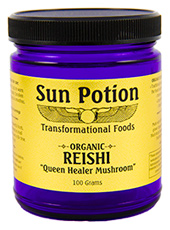 Sun Potion Organic Reishi Powder
Sun Potion uses a blend of four different species of Reishi (red, white, black and purple) to create a full-spectrum mycoproduct cultivated under strict organic protocols in the USA. This adaptogen is specially processed using enzymes that increase the body’s ability to absorb the powder and incorporates whole extracts from the mushroom at all stages of its life cycle.
Sun Potion Organic Reishi Powder
Sun Potion uses a blend of four different species of Reishi (red, white, black and purple) to create a full-spectrum mycoproduct cultivated under strict organic protocols in the USA. This adaptogen is specially processed using enzymes that increase the body’s ability to absorb the powder and incorporates whole extracts from the mushroom at all stages of its life cycle.
7. Schisandra: The Balancing Berry
Schisandra is often used to combat fatigue and bring about hormonal balance. Schisandra is a climbing plant with pink leaves and red berries, and it’s these berries that get harvested and dried for “medicinal” use. Traditionally, Russian hunters used it as a fatigue-fighting tea, and Chinese Medicine uses it to balance yin and yang. This adaptogenic herb is generally calming and can have a balancing effect on the endocrine and immune system, which both take a hit from chronic stress. It’s also high in vitamin C, an antioxidant that is crucial for immune health. Some studies found that schisandra may increase stomach acids, which can be helpful in some people, but a problem for others.
Conscious Lifestyle Recommends:
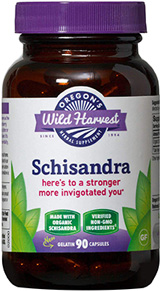 Oregon’s Wild Harvest Organic Schisandra Capsules
Orgeon’s Wild Harvest offers organic, non-gmo, sustainably sourced schisandra berry powder in convenient capsule form. These freshly milled berries, which are among the best adaptogens there is, have all the potency and purity of the raw schisandra powder without the intensely bitter and astringent taste. Great for on the go use or open the capsules in water to make a potent tea.
Oregon’s Wild Harvest Organic Schisandra Capsules
Orgeon’s Wild Harvest offers organic, non-gmo, sustainably sourced schisandra berry powder in convenient capsule form. These freshly milled berries, which are among the best adaptogens there is, have all the potency and purity of the raw schisandra powder without the intensely bitter and astringent taste. Great for on the go use or open the capsules in water to make a potent tea.
8. Shatavari: The Fatigue Fighter
In the Ayurvedic apothecary, shatavari is probably the most important herb for women’s health and is an aphrodisiac and fertility booster. This type of adaptogen actually contains precursors to the hormone progesterone and can help women with minor hormone imbalances. Shatavari is related to asparagus and is (like asparagus) a diuretic. It also has anti-inflammatory and immune-supporting benefits. It’s worth including that shatavari is usually not recommended if you have a history of estrogen-receptor-positive cancer.
Conscious Lifestyle Recommends:
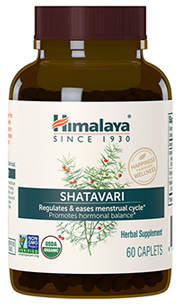 Himalaya Herbal Healthcare Organic Shatavari Caplets
Himalaya Herbal Healthcare offers a CO2 extracted, organic and sustainably harvested extract of Shatavari in convenient caplet form. They combine the root, stem, powder and a standardized extract of this adaptogenic herb, which ensures you receive all possible medicinal health benefits of the plant in a potent, concentrated form.
Himalaya Herbal Healthcare Organic Shatavari Caplets
Himalaya Herbal Healthcare offers a CO2 extracted, organic and sustainably harvested extract of Shatavari in convenient caplet form. They combine the root, stem, powder and a standardized extract of this adaptogenic herb, which ensures you receive all possible medicinal health benefits of the plant in a potent, concentrated form.
Please note: Always check with your health care practitioner before adding any new supplement or herb to your routine, especially if you’re on medication, have a diagnosed condition, are pregnant or nursing.